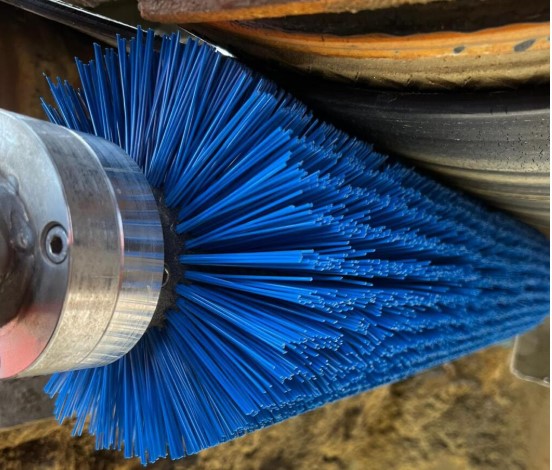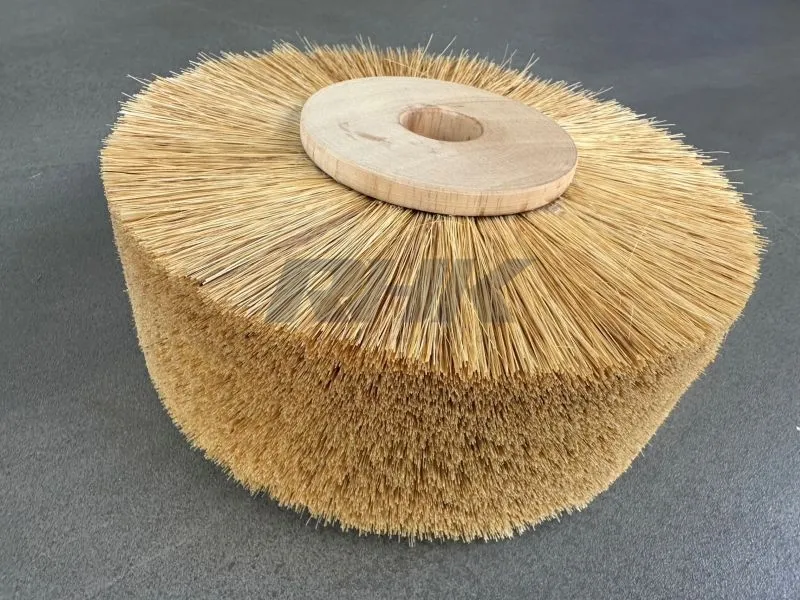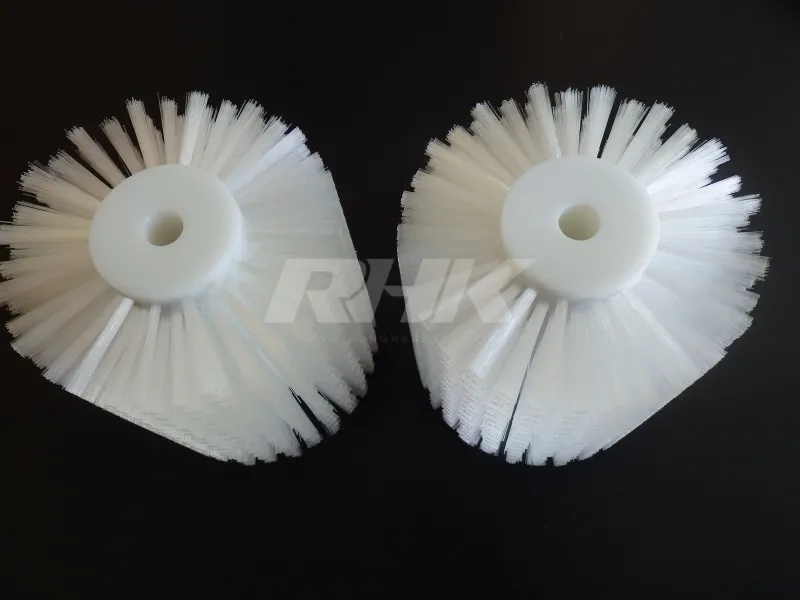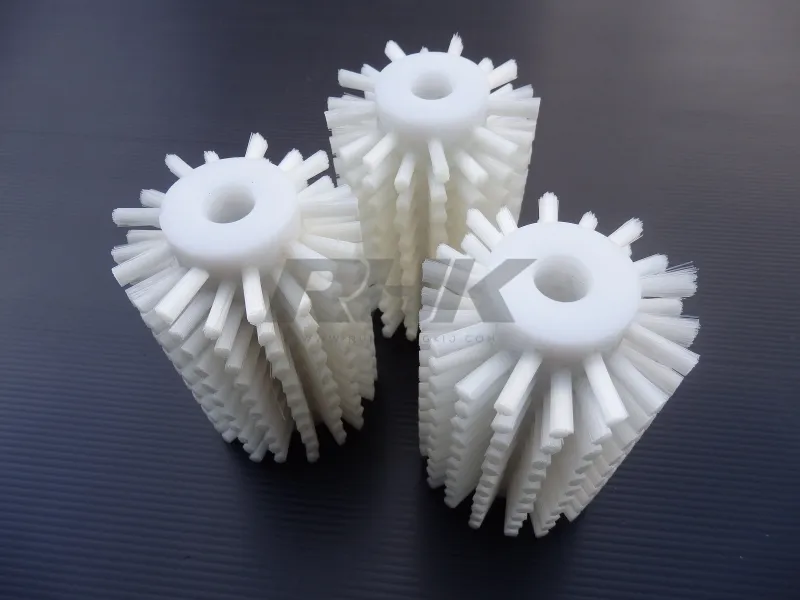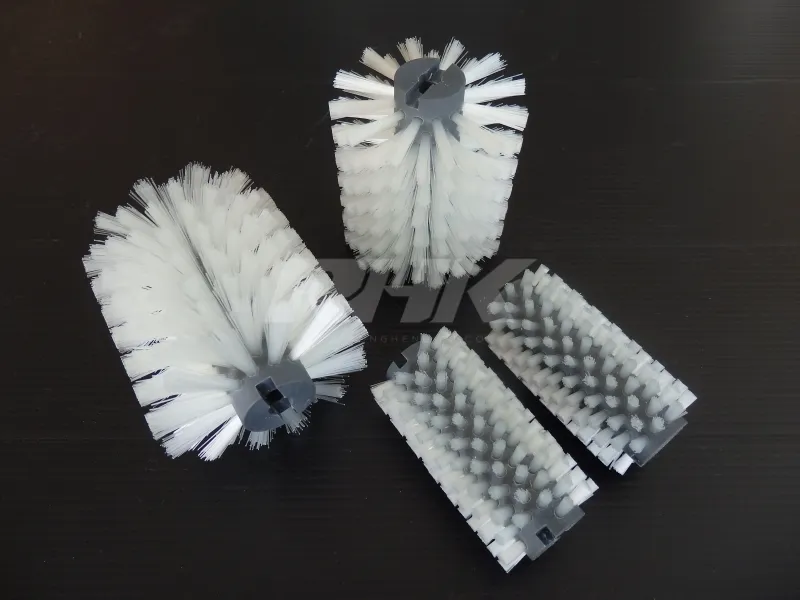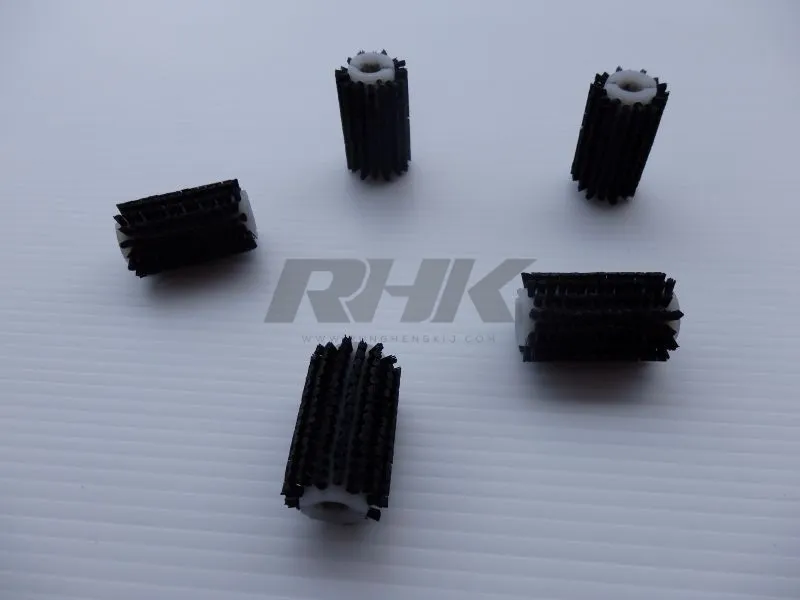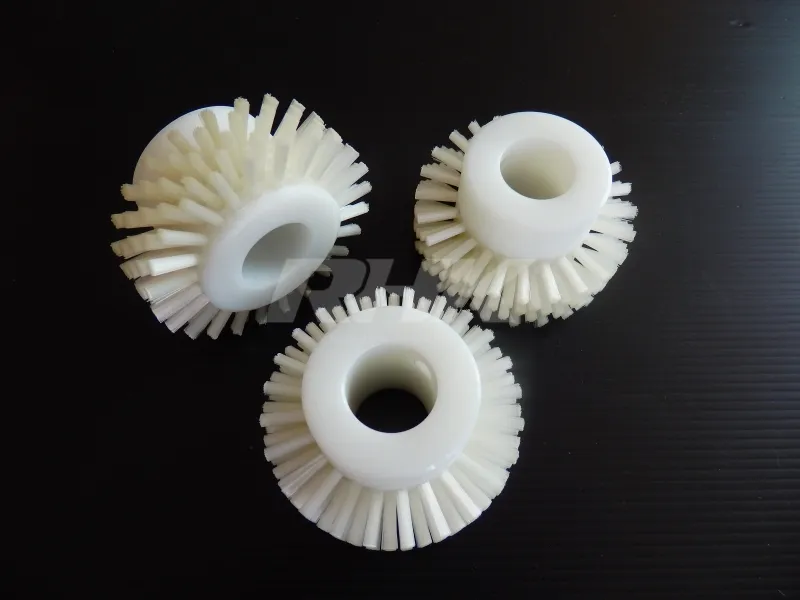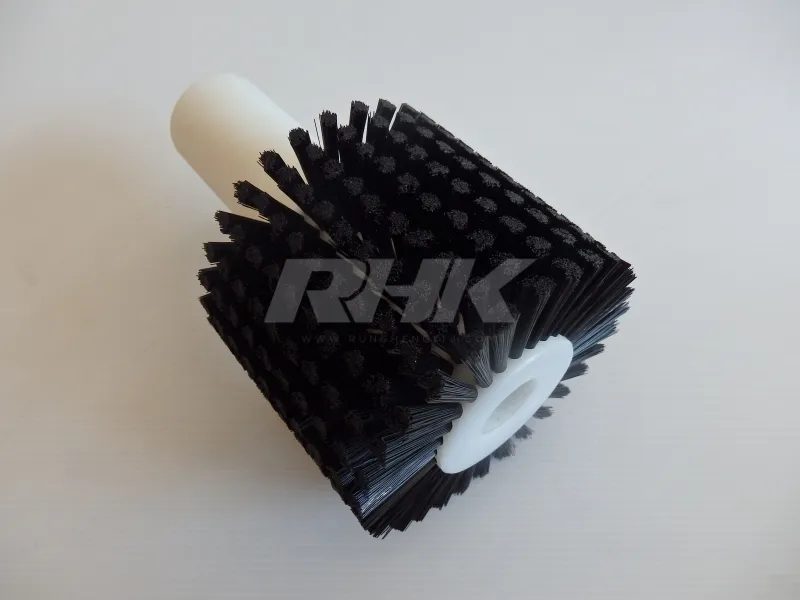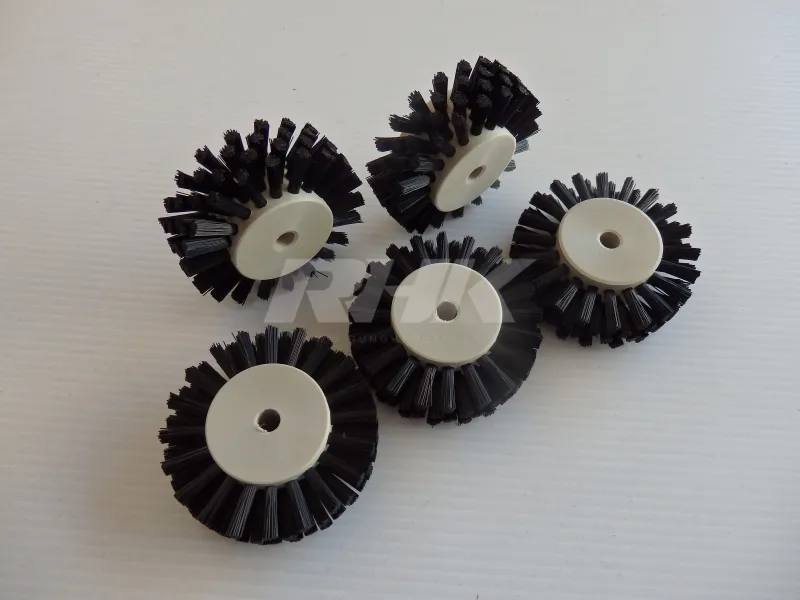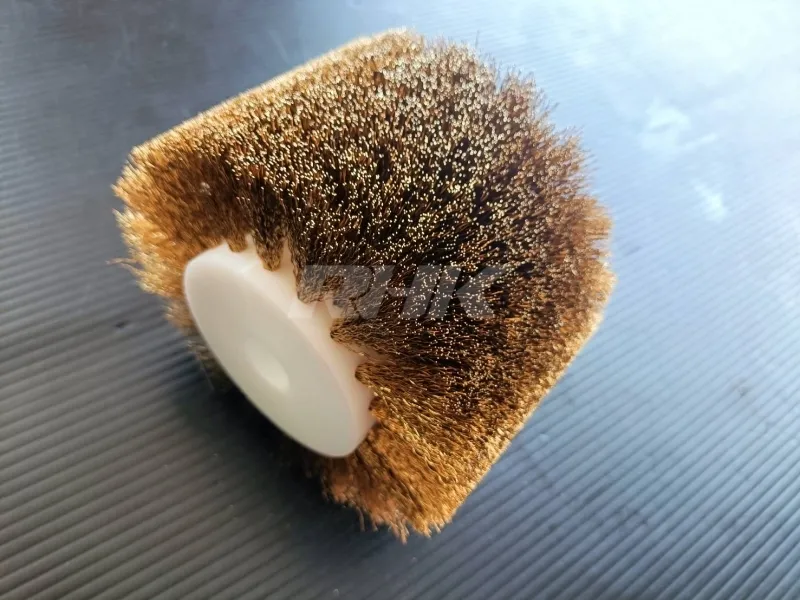
แปรงล้อกลม หรือ Wheel Brush คือแปรงอุตสาหกรรมที่มีรูปทรงเป็นวงกลมคล้ายล้อ โดยมีขนแปรงยึดอยู่รอบขอบของแผ่นโลหะหรือแผ่นพลาสติกกลม สามารถติดตั้งบนเพลาหรือมอเตอร์หมุนได้โดยตรง เหมาะสำหรับงานที่ต้องการความแม่นยำในการขัด ทำความสะอาด หรือขัดผิวชิ้นงานเฉพาะจุด
แปรงล้อกลมได้รับความนิยมในโรงงานอุตสาหกรรมเพราะสามารถทนการใช้งานต่อเนื่องได้นาน และมีประสิทธิภาพสูงในงานขัดผิวโลหะ กำจัดสนิม และลอกสี
1. แปรงล้อกลมขนลวดเหล็ก (Steel Wire Wheel Brush)
2. แปรงล้อกลมขนลวดสแตนเลส (Stainless Steel Wire Wheel Brush)
3. แปรงล้อกลมขนทองเหลือง (Brass Wire Wheel Brush)
4. แปรงล้อกลมขนไนลอน (Nylon Wheel Brush)
| สเปค | คำอธิบาย |
|---|---|
| เส้นผ่าศูนย์กลาง (Diameter) | ขนาดทั่วไป 50–300 mm ขึ้นอยู่กับงาน |
| ความกว้างหน้าแปรง (Face Width) | 6–50 mm |
| รูเพลา (Arbor Hole) | มาตรฐาน 6, 10, 16, 22 mm |
| ความหนาแน่นขน | เลือกตามความต้องการของผิวงาน |
| ความเร็วรอบสูงสุด (Max RPM) | ระบุบนแปรงทุกชิ้น ห้ามเกินค่าที่กำหนด |
แปรงล้อกลมใช้งานได้หลากหลายในอุตสาหกรรม ดังนี้:
1. ดูวัสดุชิ้นงาน
2. ดูความเร็วรอบของเครื่องจักร ตรวจสอบค่า RPM ของเครื่องที่ใช้ แล้วเลือกแปรงที่รับ RPM สูงกว่าหรือเท่ากันเสมอ ห้ามใช้แปรงที่มีค่า Max RPM ต่ำกว่าเครื่อง
3. ดูขนาดพื้นที่ทำงาน
4. ดูความหนาแน่นและความแข็งของขน ขนแน่น-แข็ง = ขัดแรงกว่า | ขนบาง-นุ่ม = เก็บผิวละเอียดกว่า
บริษัท รุ่งเฮงกิจ จำกัด ผลิตและจำหน่ายแปรงล้อกลมคุณภาพสูงสำหรับอุตสาหกรรมทุกประเภท สามารถ รับสั่งผลิตแปรงล้อกลมตามแบบ ระบุขนาด วัสดุขน ความหนาแน่น และขนาดรูเพลาได้ตามต้องการ
📞 ติดต่อสอบถามและขอใบเสนอราคา: ติดต่อเรา
บทความนี้จัดทำโดยทีมงาน รุ่งเฮงกิจ ผู้เชี่ยวชาญด้านแปรงอุตสาหกรรมกว่า 30 ปี
Q: แปรงล้อกลมกับแปรงทรงกระบอกต่างกันอย่างไร? A: แปรงล้อกลมมีขนแปรงอยู่ที่ขอบด้านข้างของล้อ เหมาะสำหรับขัดเฉพาะจุดและทำงานร่วมกับเครื่องเจียร ส่วนแปรงทรงกระบอกมีขนแปรงรอบพื้นผิวทั้งหมด เหมาะกับงานกวาดและทำความสะอาดพื้นที่กว้าง
Q: แปรงล้อกลมขนลวดเหล็กใช้กับสแตนเลสได้ไหม? A: ไม่แนะนำ เพราะเศษลวดเหล็กอาจฝังตัวในผิวสแตนเลสและทำให้เกิดสนิมตามมา ควรใช้แปรงขนลวดสแตนเลสแทน
Q: แปรงล้อกลมมีอายุการใช้งานนานแค่ไหน? A: ขึ้นอยู่กับความถี่และความหนักของงาน โดยทั่วไปควรเปลี่ยนเมื่อขนสึกเกิน 2 ใน 3 หรือเมื่อประสิทธิภาพการขัดลดลงอย่างเห็นได้ชัด
A wheel brush is an industrial brush with a circular, wheel-like shape where bristles are attached around the edge of a metal or plastic disc. It mounts directly onto a shaft or motor spindle, making it ideal for precision grinding, cleaning, and surface finishing on specific areas of a workpiece.
Wheel brushes are widely used in manufacturing because they withstand continuous heavy-duty operation and deliver high performance in metal surface finishing, rust removal, and paint stripping.
1. Steel Wire Wheel Brush
2. Stainless Steel Wire Wheel Brush
3. Brass Wire Wheel Brush
4. Nylon Wheel Brush
| Specification | Details |
|---|---|
| Diameter | Commonly 50–300 mm depending on the application |
| Face Width | 6–50 mm |
| Arbor Hole | Standard sizes: 6, 10, 16, 22 mm |
| Bristle Density | Choose based on the required surface finish |
| Max RPM | Always marked on the brush — never exceed this rating |
Wheel brushes serve a wide range of industrial purposes:
1. Consider the workpiece material
2. Match the machine’s RPM Check your machine’s RPM rating and always select a brush with an equal or higher Max RPM. Never use a brush rated below your machine’s operating speed.
3. Consider the working area size
4. Choose bristle density and stiffness Dense/stiff bristles = more aggressive cutting | Sparse/soft bristles = finer finishing
RHK (Runghengkij) manufactures and supplies high-quality wheel brushes for all types of industrial applications. We offer custom-made wheel brushes with your specified diameter, bristle material, density, and arbor hole size.
📞 Contact us for inquiries and quotations: Contact Us
This article is produced by the RHK team — industrial brush specialists with over 30 years of experience.
Q: What is the difference between a wheel brush and a cup brush? A: A wheel brush has bristles along the outer edge of the disc and is ideal for edge work and surface finishing with a grinder. A cup brush has bristles covering the entire face and is better suited for working on flat surfaces over larger areas.
Q: Can I use a steel wire wheel brush on stainless steel? A: It is not recommended. Steel wire particles can embed in the stainless steel surface and cause rust contamination. Use a stainless steel wire wheel brush instead.
Q: How long does a wheel brush last? A: Lifespan depends on usage frequency and workload intensity. As a general rule, replace the brush when bristles are worn more than 2/3 of their original length or when a noticeable drop in performance occurs.
Q: What RPM should I use for a wheel brush? A: Always operate within the Max RPM printed on the brush. Exceeding this limit can cause the brush to disintegrate and create a serious safety hazard.