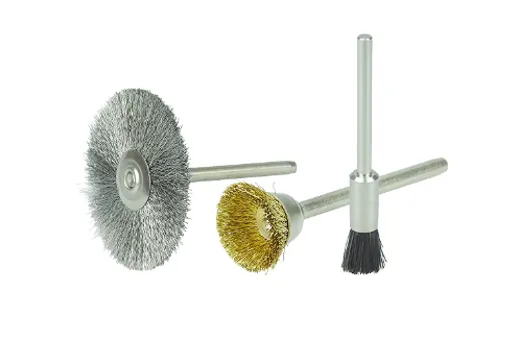
แปรงขัด Power Mini Brushes คือกลุ่มแปรงลวดขนาดเล็กที่ออกแบบมาสำหรับใช้งานร่วมกับเครื่องเจียรมือถือขนาดเล็กหรือดริลไฟฟ้าแบบด้ามจับ ครอบคลุมหลายรูปทรง ทั้งแบบล้อ (Wheel) แบบถ้วย (Cup) และแบบพู่กัน (Pen/End Brush) ทำให้เป็นชุดเครื่องมืออเนกประสงค์สำหรับงานขัด ทำความสะอาด และขจัดสนิมในจุดเล็กหรือพื้นที่เข้าถึงยาก
จุดเด่นของ Power Mini Brushes คือความหลากหลายของรูปทรงในชุดเดียว ทำให้เลือกใช้ได้ตามลักษณะงานโดยไม่ต้องเปลี่ยนเครื่องมือหลัก เหมาะกับงานซ่อมบำรุง งานฝีมือ และงานที่ต้องการความละเอียดสูง
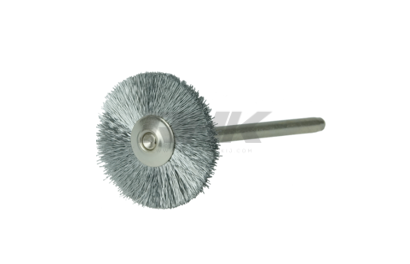
1. แปรงล้อขนาดเล็ก (Mini Wheel Brush)
2. แปรงถ้วยขนาดเล็ก (Mini Cup Brush)
3. แปรงพู่กันขนาดเล็ก (Mini End/Pen Brush)
1. ขนลวดเหล็ก (Steel Wire)
2. ขนลวดทองเหลือง (Brass Wire)
3. ขนไนลอน (Nylon)
| สเปค | คำอธิบาย |
|---|---|
| เส้นผ่าศูนย์กลางหัวแปรง (Head Diameter) | ขนาดเล็กตั้งแต่ไม่กี่มิลลิเมตรถึงประมาณ 25-30 mm |
| ขนาดก้านจับ (Shank Diameter) | มาตรฐานทั่วไป 3 mm หรือ 6 mm สำหรับดริลและเครื่องเจียรมือถือ |
| ความยาวก้าน (Shank Length) | มีผลต่อความสามารถในการเข้าถึงจุดลึก |
| วัสดุขน | ลวดเหล็ก ลวดทองเหลือง หรือไนลอน ตามลักษณะงาน |
| ความเร็วรอบสูงสุด (Max RPM) | ระบุบนแปรงทุกชิ้น ห้ามใช้งานเกินค่านี้ |
Power Mini Brushes ใช้งานได้หลากหลายในอุตสาหกรรมและงานฝีมือ ดังนี้:
1. ดูรูปทรงพื้นที่ทำงาน
2. ดูวัสดุชิ้นงาน
3. ดูขนาดก้านจับให้ตรงกับเครื่องมือ ตรวจสอบว่าดริลหรือเครื่องเจียรมือถือรองรับก้านขนาด 3 mm หรือ 6 mm
4. ดูความเร็วรอบของเครื่องมือ ตรวจสอบค่า RPM ของเครื่องมือถือที่ใช้ แล้วเลือกแปรงที่รับ RPM สูงกว่าหรือเท่ากันเสมอ
บริษัท รุ่งเฮงกิจ จำกัด ผลิตและจำหน่ายแปรงขัด Power Mini Brushes คุณภาพสูงครบทุกรูปทรงสำหรับงานอุตสาหกรรมและงานฝีมือ รับสั่งผลิตตามแบบ ระบุขนาดหัวแปรง วัสดุขน และขนาดก้านจับได้ตามต้องการ
📞 ติดต่อสอบถามและขอใบเสนอราคา: ติดต่อเรา
บทความนี้จัดทำโดยทีมงาน รุ่งเฮงกิจ ผู้เชี่ยวชาญด้านแปรงอุตสาหกรรมกว่า 30 ปี
Q: Power Mini Brushes มีกี่รูปทรงให้เลือก? A: มี 3 รูปทรงหลัก ได้แก่ แบบล้อ (Wheel) สำหรับขัดเฉพาะจุด แบบถ้วย (Cup) สำหรับพื้นผิวโค้ง และแบบพู่กัน (Pen/End) สำหรับร่องแคบหรือรูลึก
Q: Power Mini Brushes ใช้กับดริลไฟฟ้าทั่วไปได้ไหม? A: ได้ครับ หากก้านแปรงมีขนาดตรงกับหัวจับของดริล (โดยทั่วไป 3 mm หรือ 6 mm) ก็สามารถใช้งานร่วมกันได้
Q: เลือกวัสดุขนแบบไหนดีสำหรับ Power Mini Brushes? A: ขึ้นอยู่กับชิ้นงาน หากเป็นเหล็กทั่วไปแนะนำขนลวดเหล็ก หากเป็นชิ้นงานบอบบางหรือต้องการลดรอยขีดข่วนแนะนำขนลวดทองเหลืองหรือไนลอน
Power Mini Brushes are a category of small wire brushes designed for use with mini handheld grinders or handheld electric drills. They come in multiple head shapes — wheel, cup, and pen/end brush — making them a versatile toolset for scrubbing, cleaning, and rust removal in small or hard-to-reach areas.
The key advantage of Power Mini Brushes is having multiple shapes available in one set, allowing users to select the right tool for the job without switching to a different power tool. They are ideal for maintenance work, craft projects, and applications requiring high precision.
1. Mini Wheel Brush
2. Mini Cup Brush
3. Mini End/Pen Brush
1. Steel Wire
2. Brass Wire
3. Nylon
| Specification | Details |
|---|---|
| Head Diameter | Small sizes ranging from a few millimeters up to approximately 25-30 mm |
| Shank Diameter | Standard sizes of 3 mm or 6 mm for drills and handheld grinders |
| Shank Length | Affects the ability to reach deep or recessed areas |
| Bristle Material | Steel wire, brass wire, or nylon, depending on the application |
| Max RPM | Marked on every brush — never exceed this rating |
Power Mini Brushes are used across many industries and craft applications:
1. Consider the shape of the work area
2. Consider the workpiece material
3. Match the shank size to your tool Verify whether your drill or handheld grinder accepts a 3 mm or 6 mm shank.
4. Match the tool’s RPM Check your handheld tool’s RPM rating and always select a brush with an equal or higher Max RPM.
RHK (Runghengkij) manufactures and supplies high-quality Power Mini Brushes in all head shapes for industrial and craft applications. We offer custom-made brushes with your specified head size, bristle material, and shank diameter.
📞 Contact us for inquiries and quotations: Contact Us
This article is produced by the RHK team — industrial brush specialists with over 30 years of experience.
Q: How many head shapes are available for Power Mini Brushes? A: There are three main shapes: wheel for spot grinding, cup for curved surfaces, and pen/end for narrow grooves or deep holes.
Q: Can Power Mini Brushes be used with a standard electric drill? A: Yes, as long as the brush shank size matches your drill’s chuck size (typically 3 mm or 6 mm).
Q: Which bristle material should I choose for Power Mini Brushes? A: It depends on the workpiece. Steel wire is recommended for general steel work, while brass wire or nylon is recommended for delicate workpieces or when reducing scratches is a priority.