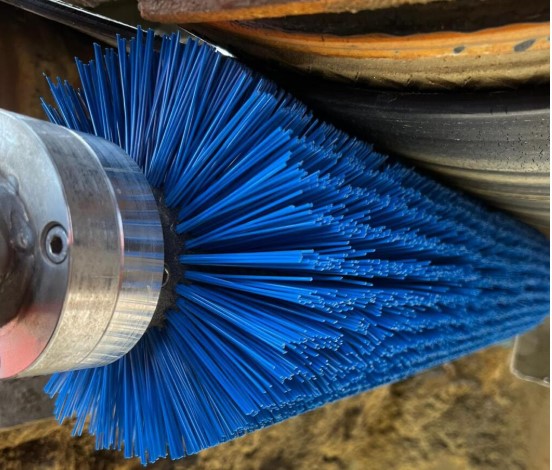
ABRASIVE NYLON FILAMENT
ควรเลือกใช้เส้นใยไนลอนขัดสำหรับงานแปรงในอุตสาหกรรมที่ต้องการประสิทธิภาพในการลบคม การตกแต่งพื้นผิว การลบคมขอบ และการกำจัดสนิม โดยเฉพาะอย่างยิ่งบนพื้นผิวที่ไม่เรียบ แปรงเหล่านี้เหมาะสำหรับงานโลหะ (ยานยนต์ เครื่องมือ) งานไม้ และงานทำความสะอาดที่ต้องการเครื่องมือที่ทนทาน ไม่เกิดสนิม และมีความยืดหยุ่น
เมื่อใดควรเลือกใช้เส้นใยไนลอนขัด:
การลบคมและการลบคมขอบ: เหมาะอย่างยิ่งสำหรับการลบคมออกจากชิ้นส่วนโลหะ (เช่น เครื่องยนต์ เฟือง ชิ้นส่วนระบบส่งกำลัง) และการสร้างขอบโค้งมนที่แม่นยำ
การตกแต่งพื้นผิวและการขัดเงา: เหมาะอย่างยิ่งสำหรับการสร้างพื้นผิวเรียบบนโลหะ การทำความสะอาดอลูมิเนียม หรือการขัดเงาเครื่องมือคาร์ไบด์/เซรามิก
การทำความสะอาดรูปทรงที่ซับซ้อน: ความยืดหยุ่นของเส้นใยช่วยให้สามารถประมวลผลพื้นผิวที่ไม่เรียบ รูภายใน และรูขวางได้โดยไม่ทำลายชิ้นงาน
งานอุตสาหกรรมที่ต้องการความทนทานสูง: เหมาะสำหรับงานหนักที่มีการสึกหรอสูง เช่น การขัดไม้ การทำความสะอาดแผงวงจรพิมพ์ และการทำความสะอาดสายพานลำเลียง
การใช้งานที่สำคัญด้านความปลอดภัย: นิยมใช้มากกว่าแปรงลวด เนื่องจากไนลอนขัดไม่เกิดออกซิเดชันและไม่มีความเสี่ยงต่อการเกิด “ขนแปรงหลุดร่วง”
ปัจจัยสำคัญในการเลือก:
ชนิดของสารขัด:
ซิลิคอนคาร์ไบด์ (SiC) โดยทั่วไปใช้สำหรับโลหะและไม้ส่วนใหญ่ ในขณะที่อะลูมิเนียมออกไซด์ (AO) นิยมใช้สำหรับโลหะที่อ่อนกว่า (ทองแดง อะลูมิเนียม) และงานที่ต้องการความแม่นยำ
ขนาดของเม็ดทราย: เม็ดทรายละเอียด (เช่น 500-600) ใช้สำหรับการขัดเงา ในขณะที่เม็ดทรายหยาบ (เช่น 80-120) ใช้สำหรับการขจัดเสี้ยนอย่างรุนแรง
ความทนทาน: เนื้อไนลอนช่วยให้มีอายุการใช้งานยาวนานและทนต่อความเสียหายจากสารเคมี
ไนลอนขัดถูกเลือกใช้เมื่อต้องการวัสดุแปรงที่ลับคมได้เอง ทนทาน และปรับตัวได้ดี เพื่อการตกแต่งคุณภาพสูง
Tynex® A คือเส้นใยไนลอนผสมเม็ดสารขัดของ DuPont ที่นิยมใช้ในแปรงลบครีบและแปรงขัดผิวอุตสาหกรรม RHK มีขน Tynex A ให้เลือกครบทั้ง 3 ชนิดสารขัด และใช้ได้กับแปรงทุกรูปทรง
ดูแปรงลบครีบทุกรูปทรงที่หน้าแปรงลบครีบ ไนลอนผสมสารขัด หรือแจ้ง “Tynex A” พร้อมขนาดแปรงในแบบฟอร์มขอใบเสนอราคา
DuPont™ และ Tynex® เป็นเครื่องหมายการค้าของ DuPont de Nemours, Inc. หรือบริษัทในเครือ
Choose abrasive nylon filament for industrial brushing when you need efficient deburring, surface finishing, edge radiusing and rust removal, especially on uneven surfaces. These brushes suit metalworking (automotive parts, tools), woodworking and cleaning applications that need a durable, flexible tool that does not rust.
Abrasive nylon is chosen when you need a self-sharpening, durable and adaptable brush material for high-quality finishing.
RHK offers DuPont™ Tynex® A abrasive nylon filament in silicon carbide, aluminum oxide and ceramic grit, available for every brush shape we make, including wheel, disc, cup, roller and tube brushes. See all shapes on our abrasive nylon deburring brush page, or mention “Tynex A” with your brush size when you request a quotation.
DuPont™ and Tynex® are trademarks of DuPont de Nemours, Inc. or its affiliates.