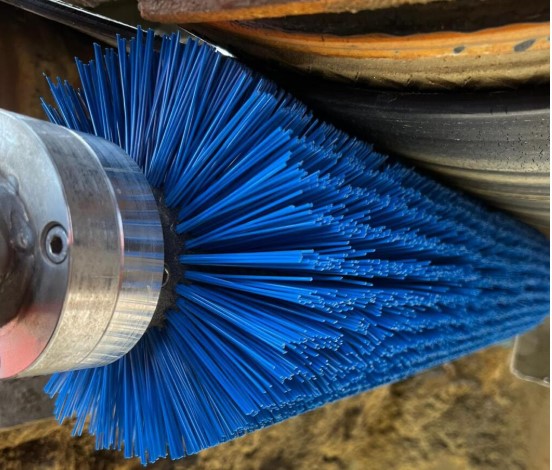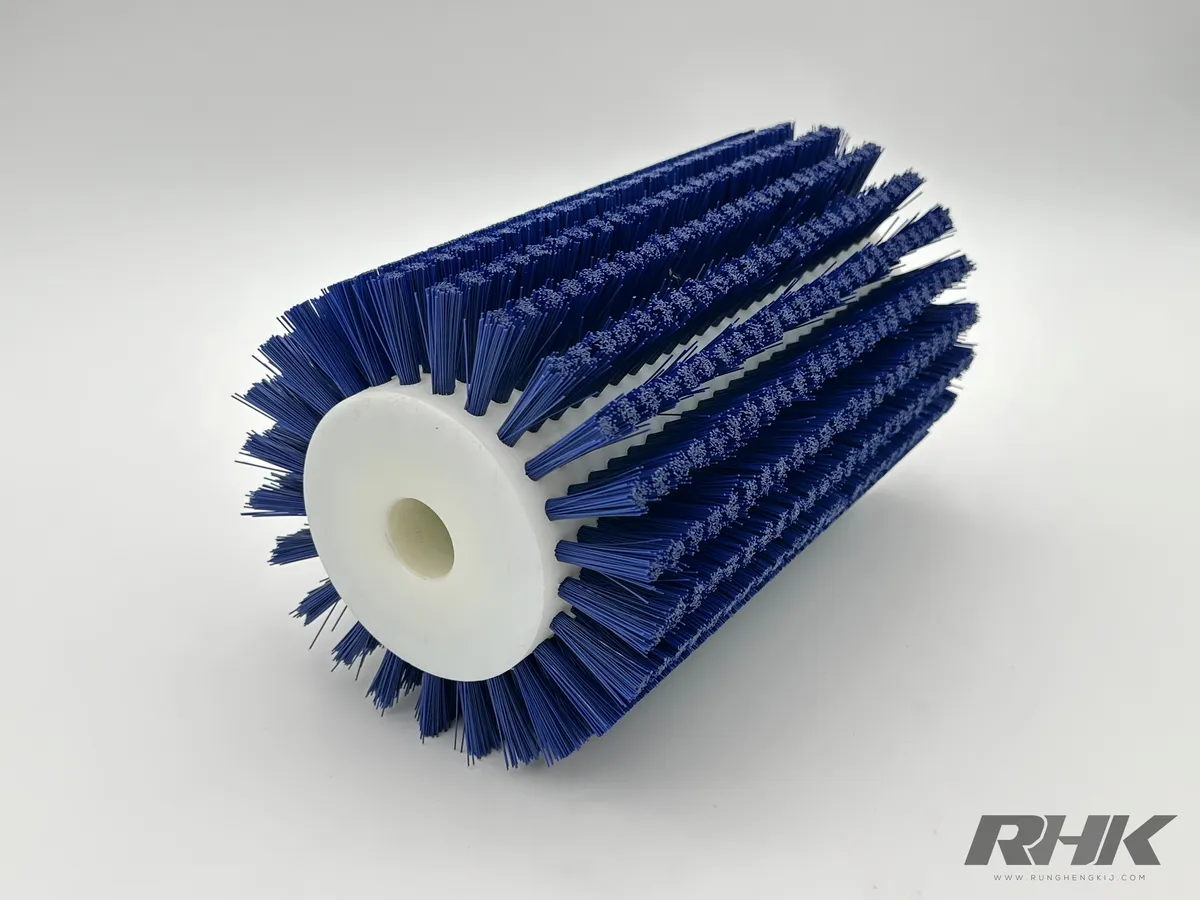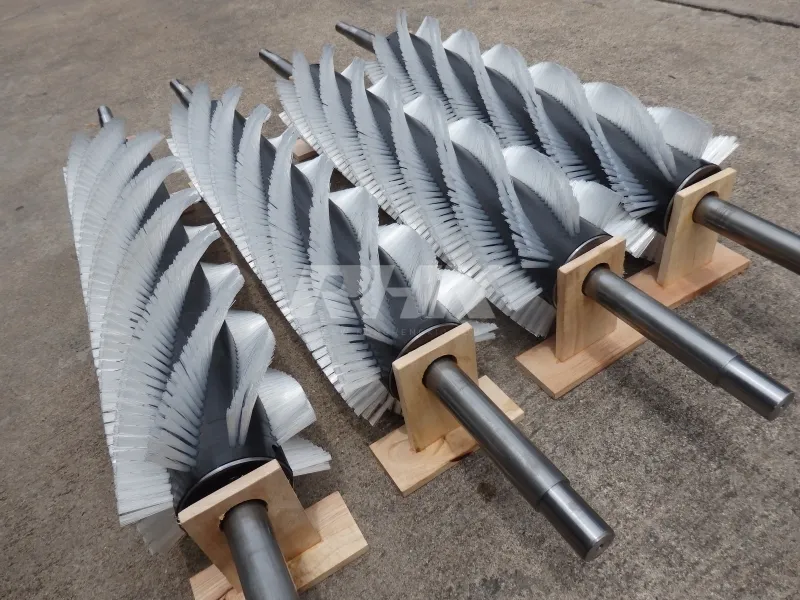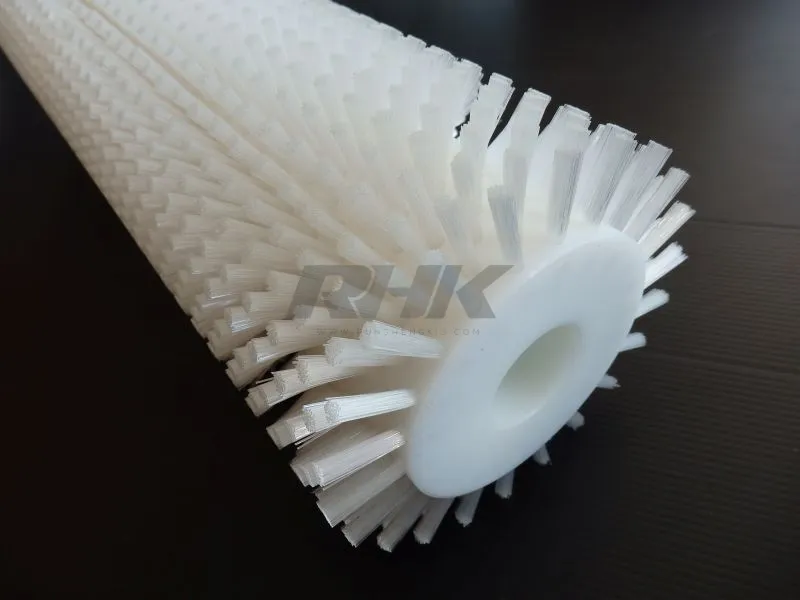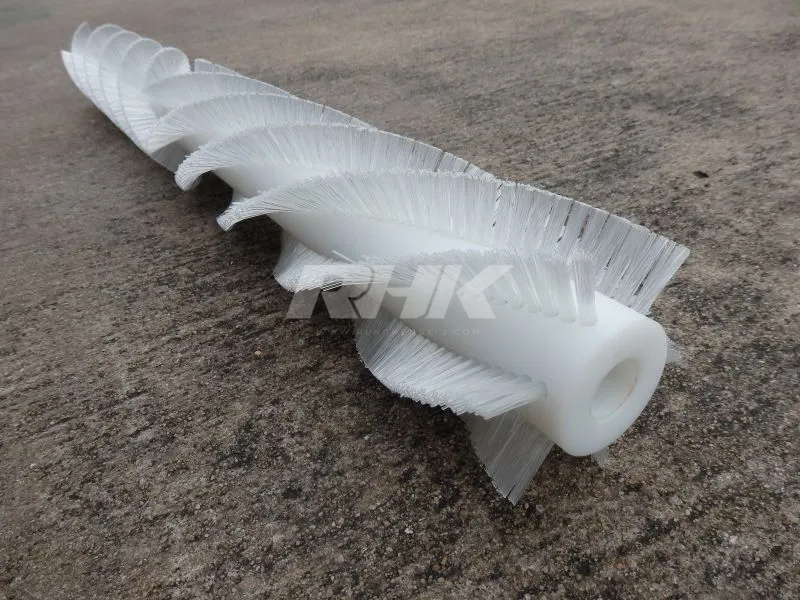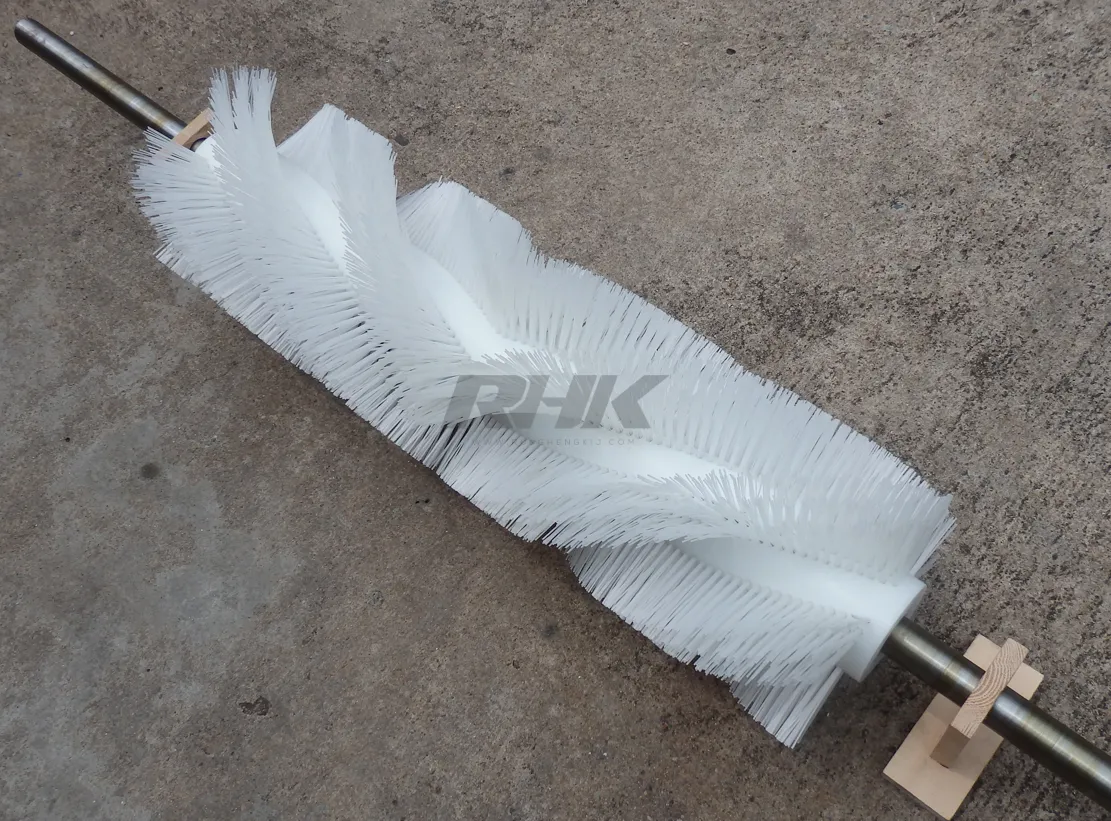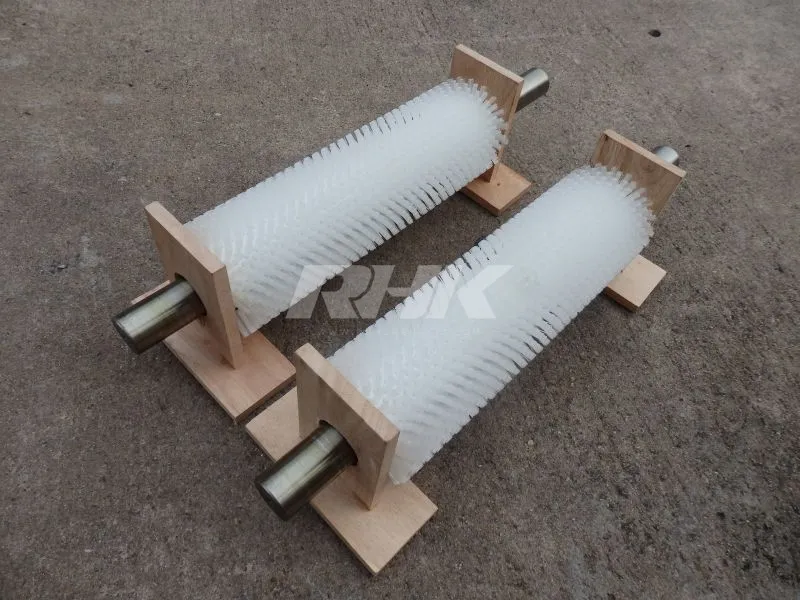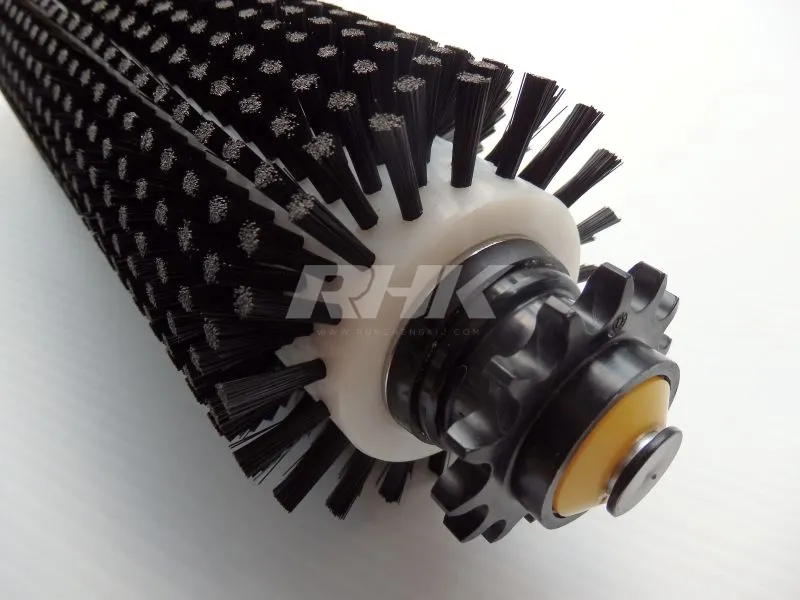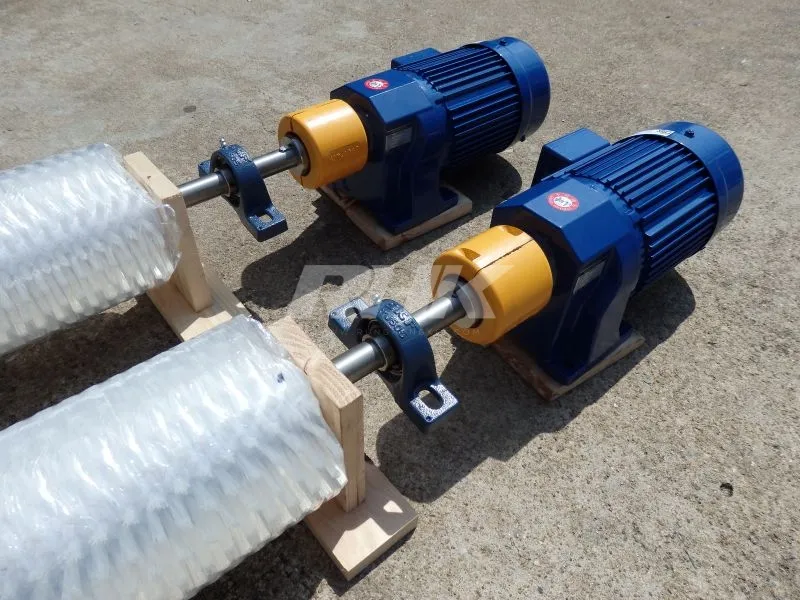
แปรงลูกกลิ้ง หรือ Roller Brush คือแปรงอุตสาหกรรมที่มีรูปทรงทรงกระบอก โดยมีขนแปรงยึดอยู่รอบพื้นผิวด้านนอกของแกนทรงกระบอก สามารถหมุนรอบแกนกลางได้ เหมาะสำหรับงานที่ต้องการสัมผัสพื้นผิวต่อเนื่องในแนวยาว เช่น งานทำความสะอาด งานลอกสิ่งแปลกปลอม และงานเก็บผิวชิ้นงาน
แปรงลูกกลิ้งได้รับความนิยมอย่างสูงในสายการผลิตอัตโนมัติ เพราะสามารถทำงานต่อเนื่องได้ตลอดเวลา ครอบคลุมพื้นที่กว้าง และออกแบบให้เข้ากับเครื่องจักรได้หลากหลายรูปแบบ
1. แปรงลูกกลิ้งขนลวดเหล็ก (Steel Wire Roller Brush)
2. แปรงลูกกลิ้งขนลวดสแตนเลส (Stainless Steel Wire Roller Brush)
3. แปรงลูกกลิ้งขนไนลอน (Nylon Roller Brush)
4. แปรงลูกกลิ้งขนพลาสติก PP/PE (Polypropylene/Polyethylene Roller Brush)
5. แปรงลูกกลิ้งขนธรรมชาติ (Natural Fiber Roller Brush)
| สเปค | คำอธิบาย |
|---|---|
| เส้นผ่าศูนย์กลาง (Diameter) | ปรับได้ตามความต้องการ |
| ความยาว (Length) | ผลิตได้ตั้งแต่ไม่กี่เซนติเมตรถึงหลายเมตร |
| ขนาดแกน (Core Diameter) | เลือกให้ตรงกับเพลาของเครื่องจักร |
| ความหนาแน่นขน | ปรับได้ตามความต้องการของผิวงาน |
| วัสดุแกน | เหล็ก สแตนเลส หรืออะลูมิเนียม |
แปรงลูกกลิ้งใช้งานได้หลากหลายในอุตสาหกรรม ดังนี้:
1. ดูวัสดุชิ้นงาน
2. ดูความเร็วในการหมุน ตรวจสอบ RPM ของเครื่องจักร แล้วออกแบบแปรงให้รับความเร็วนั้นได้อย่างปลอดภัย
3. ดูความยาวและเส้นผ่าศูนย์กลาง ต้องให้ครอบคลุมพื้นที่ทำงานอย่างพอดี ไม่กว้างหรือแคบเกินไป
4. ดูความหนาแน่นและความยาวขน
บริษัท รุ่งเฮงกิจ จำกัด ผลิตและจำหน่ายแปรงลูกกลิ้งคุณภาพสูงสำหรับอุตสาหกรรมทุกประเภท รับสั่งผลิตแปรงลูกกลิ้งตามแบบ ระบุขนาด วัสดุขน ความหนาแน่น และขนาดแกนได้ตามต้องการ
📞 ติดต่อสอบถามและขอใบเสนอราคา: ติดต่อเรา
บทความนี้จัดทำโดยทีมงาน รุ่งเฮงกิจ ผู้เชี่ยวชาญด้านแปรงอุตสาหกรรมกว่า 30 ปี
Q: แปรงลูกกลิ้งต่างจากแปรงล้อกลมอย่างไร? A: แปรงลูกกลิ้งมีขนแปรงรอบพื้นผิวทรงกระบอกทั้งหมด เหมาะกับงานที่ต้องสัมผัสพื้นที่ยาวต่อเนื่อง ส่วนแปรงล้อกลมมีขนอยู่แค่ขอบด้านข้าง เหมาะกับงานขัดเฉพาะจุด
Q: แปรงลูกกลิ้งผลิตตามขนาดได้ไหม? A: ได้ครับ รุ่งเฮงกิจรับสั่งผลิตแปรงลูกกลิ้งตามแบบทุกขนาด ทั้งเส้นผ่าศูนย์กลาง ความยาว วัสดุขน และขนาดแกน
Q: แปรงลูกกลิ้งไนลอนใช้กับน้ำได้ไหม? A: ได้ครับ ขนไนลอนทนความชื้นและสารเคมีได้ดี เหมาะสำหรับงานเปียกและงานที่ต้องใช้น้ำยาทำความสะอาด
A roller brush is an industrial brush with a cylindrical shape, where bristles are anchored around the outer surface of a cylindrical core that rotates around a central shaft. It is designed for continuous surface contact along a linear path — making it ideal for cleaning, stripping, and surface finishing across wide areas.
Roller brushes are highly popular in automated production lines because they operate continuously, cover large surface areas, and can be engineered to fit a wide variety of machinery configurations.
1. Steel Wire Roller Brush
2. Stainless Steel Wire Roller Brush
3. Nylon Roller Brush
4. Polypropylene/Polyethylene (PP/PE) Roller Brush
5. Natural Fiber Roller Brush
| Specification | Details |
|---|---|
| Diameter | Custom-made to requirement |
| Length | From a few centimeters to several meters |
| Core Diameter | Must match the machine shaft size |
| Bristle Density | Adjustable based on surface finish requirement |
| Core Material | Steel, stainless steel, or aluminum |
Roller brushes are used across many industries:
1. Consider the workpiece material
2. Match the machine’s rotation speed Verify the machine’s RPM and design the brush to operate safely at that speed.
3. Consider the length and diameter The brush must cover the full working width — not too wide or too narrow.
4. Choose bristle density and length
RHK (Runghengkij) manufactures and supplies high-quality roller brushes for all types of industrial applications. We offer custom-made roller brushes with your specified diameter, length, bristle material, density, and core size.
📞 Contact us for inquiries and quotations: Contact Us
This article is produced by the RHK team — industrial brush specialists with over 30 years of experience.
Q: What is the difference between a roller brush and a wheel brush? A: A roller brush has bristles covering the entire cylindrical surface and is suited for continuous contact along long workpiece areas. A wheel brush has bristles only along the outer edge and is designed for spot grinding and precision finishing.
Q: Can roller brushes be custom-made to size? A: Yes. RHK manufactures custom roller brushes in any diameter, length, bristle material, and core size to match your specific machine and application requirements.
Q: Are nylon roller brushes suitable for wet applications? A: Yes. Nylon bristles are highly resistant to moisture and chemicals, making them well-suited for wet cleaning processes and applications involving cleaning agents.
Q: What industries use roller brushes most commonly? A: Roller brushes are widely used in steel manufacturing, wood processing, food production, electronics, printing, automotive, and wastewater treatment industries.